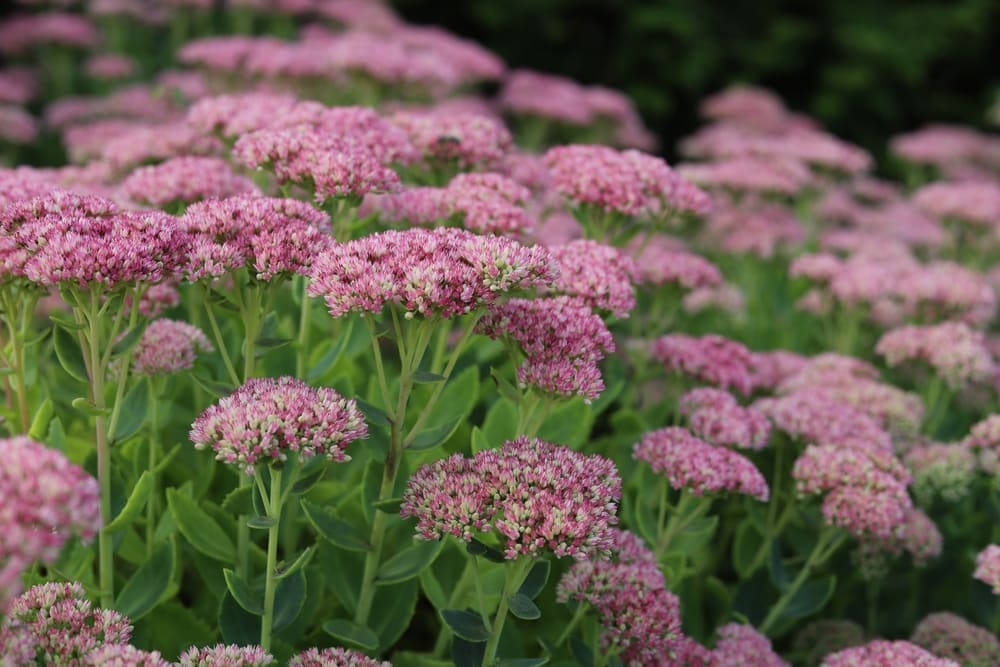
By August, even the healthiest commercial flower beds begin showing signs of fatigue.
After months of intense Alabama sunshine, frequent thunderstorms, humidity, and sustained heat, many summer annuals simply reach the end of their peak performance. What looked vibrant in May may now appear stretched, faded, or sparse.
For commercial property managers, August is not the time to replace everything, it’s the time to evaluate what can be refreshed and begin planning for fall transitions.
At ALM Commercial Landscaping, August is one of the busiest months for seasonal color assessments because small adjustments now lead to much stronger displays throughout autumn.
Why Summer Flowers Decline in August
Even with excellent maintenance, annual flowers have natural life cycles.
Factors contributing to late-summer decline include:
- Extended high temperatures
- Increased humidity
- Nutrient depletion
- Frequent rainfall washing nutrients away
- Longer bloom cycles reaching maturity
Understanding what’s normal helps property managers make informed decisions rather than assuming something is wrong.
Signs Your Color Beds Need Attention
Not every flower bed needs replacing.
Instead, look for:
Reduced flowering
Plants begin producing fewer blooms despite healthy foliage.
Leggy growth
Stems become long and sparse as plants mature.
Uneven color
Some varieties decline faster than others, leaving inconsistent displays.
Thin mulch coverage
Summer storms often displace mulch, exposing soil and increasing weed pressure.
August Is Evaluation Month, Not Replacement Month
One of the biggest mistakes property managers make is replacing entire beds too early.
In Alabama, temperatures often remain too hot for cool-season annual installations.
Instead, August is ideal for:
- Deadheading spent blooms
- Replenishing mulch
- Fertilizing where appropriate
- Removing declining plants
- Planning fall color designs
These improvements help extend summer color while preparing for seasonal transitions.
Planning Ahead for Fall Installations
The best fall displays begin weeks before planting.
August is the time to:
- Review color palettes
- Evaluate irrigation performance
- Schedule installations
- Prepare planting beds
- Coordinate property improvements before peak fall demand
Waiting until October often limits plant availability and installation schedules.
Choosing Colors That Transition Well
Properties don’t have to look tired while waiting for fall.
Strategic combinations of ornamental grasses, healthy foliage plants, and refreshed mulch maintain visual interest until cool-season flowers arrive.
This approach keeps entrances, monument signs, and gathering spaces attractive throughout late summer.
How ALM Helps Commercial Properties Stay Ahead
Rather than reacting after beds decline, ALM develops seasonal color plans months in advance.
Our team evaluates:
- Plant performance
- Bed health
- Soil conditions
- Irrigation coverage
- Fall installation timing
This proactive approach keeps commercial landscapes looking polished throughout every season.
Keep Your Property Looking Fresh Through Late Summer
August doesn’t have to mean faded flower beds.
With thoughtful maintenance and early planning, commercial properties can maintain attractive landscapes now while preparing for an even stronger fall display.
ALM Commercial Landscaping specializes in seasonal color planning, installation, and maintenance for commercial properties throughout Alabama.
Contact ALM today to schedule your late-summer landscape evaluation and begin planning your fall seasonal color installation.
Frequently Asked Questions
Why do summer flowers fade in August?
Extended heat, humidity, and the natural aging process reduce bloom production during late summer.
Should summer flowers be replaced immediately?
Not always. Many beds benefit from maintenance and preparation before fall installations begin.
When should fall flowers be planted in Alabama?
Most cool-season annuals are installed once temperatures begin consistently cooling in late September through October.
Why should fall color planning begin in August?
Planning early ensures better plant availability, scheduling flexibility, and healthier planting conditions.