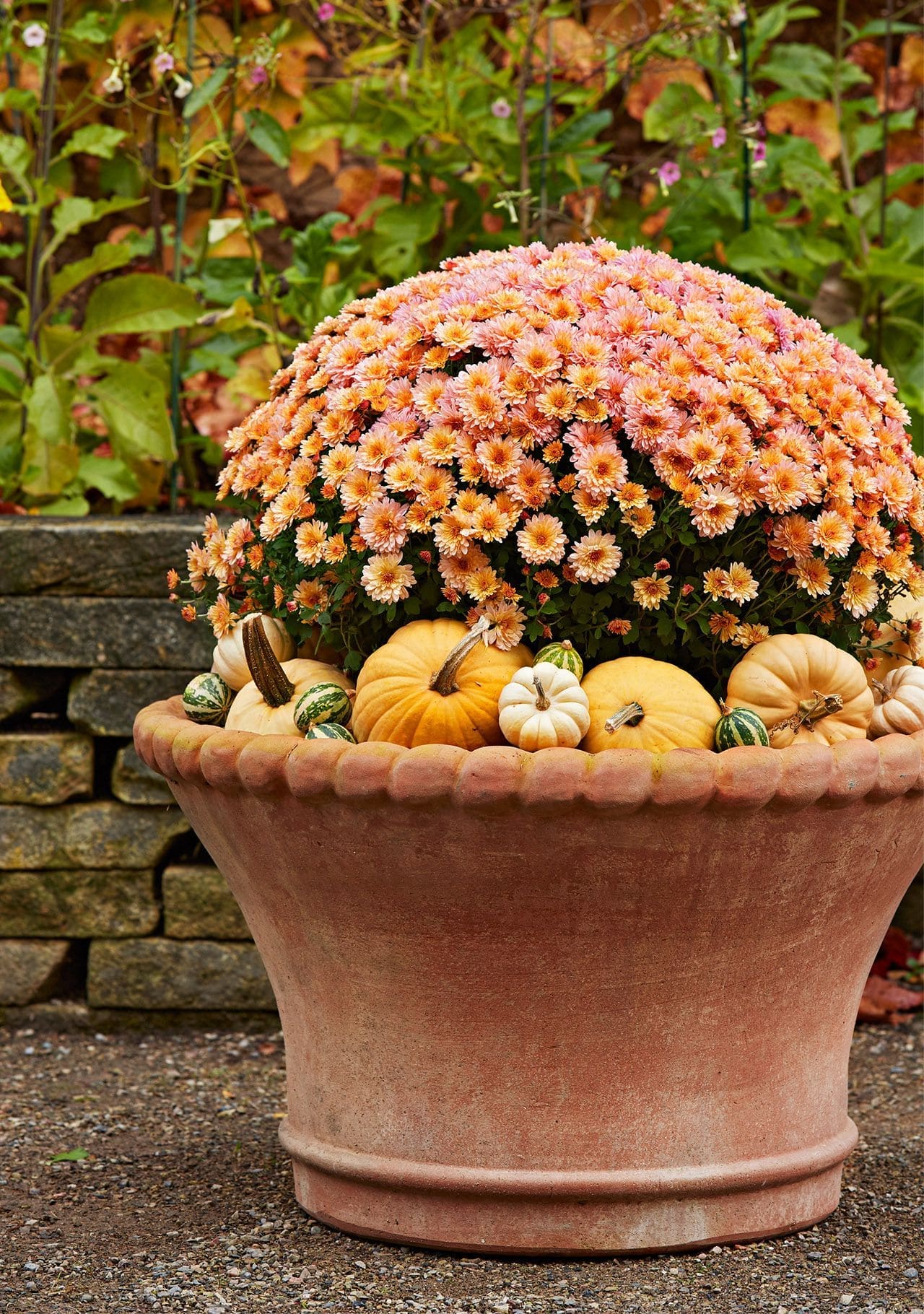
When summer flowers are still hanging on, fall color can feel like a project for another month. But for Alabama commercial properties, September is when some of the most important decisions about fall and winter seasonal color should already be happening.
Waiting until beds are completely exhausted can create an awkward transition between seasons, and waiting until everyone wants pansies, snapdragons, and ornamental kale can limit design and scheduling options.
At ALM Commercial Landscaping, September is less about rushing cool-season plants into warm soil and more about evaluating summer performance, preparing beds, and developing the right fall color plan for Alabama commercial properties.
Why Should Fall Color Planning Begin in September?
Alabama presents an interesting seasonal challenge. September can still feel like summer, particularly during the day, while commercial properties are already beginning to prepare for fall events, increased activity, and the holiday season ahead.
Installing cool-season annuals too early can expose them to unnecessary heat stress. Waiting too long to begin planning, however, can leave property managers making rushed decisions.
September provides the planning window between the two.
What Should You Look at Before Replanting a Seasonal Color Bed?
One mistake is assuming every seasonal bed should simply be replanted exactly as it was last year.
Instead, September is an opportunity to evaluate how each bed actually performed.
Did Some Plants Consistently Struggle?
A plant that repeatedly declined may have been placed in the wrong microclimate. Areas near reflective glass, pavement, or south-facing walls can experience considerably different conditions than shaded entrances only a short distance away.
Did Irrigation Reach the Entire Bed?
Uneven seasonal color sometimes points to irrigation coverage rather than plant quality. Before installing another round of annuals, irrigation issues should be identified and corrected.
Has the Bed Lost Its Visual Impact?
Plants may still be alive but no longer accomplishing their design purpose. Overgrown material, faded flowers, exposed soil, and inconsistent heights can make an entrance appear tired.
September is the time to decide what should stay, what should go, and what should change.
Think Beyond “What Color Flowers Do We Want?”
Effective commercial seasonal color should be designed around the property, not simply selected from a list of available flowers.
For example, monument signs benefit from plants that provide color without obscuring lettering. Large entrances may need layered heights to create enough visual impact from a distance. Pedestrian areas may benefit from lower-growing material that maintains clear sightlines.
Fall color should also complement the architecture and existing landscape.
The question is not simply, “Which flowers look good?”
It is, “Which combination will perform well and look intentional in this specific location?”
September Is Also the Time to Prepare the Beds
Healthy seasonal color begins below the flowers.
Before the next installation, crews can evaluate soil condition, drainage, mulch depth, irrigation coverage, and remaining summer plant material.
Repeated seasonal installations without proper bed preparation can gradually reduce performance. Compacted soil, old roots, drainage problems, and depleted organic matter do not disappear when new flowers are installed.
Addressing these issues before planting gives the next seasonal display a stronger foundation.
Plan Now for October, November, and the Holidays
Commercial landscapes do not exist one month at a time.
The fall color selected for October may still be framing entrances, signage, and gathering areas when Thanksgiving and holiday decorations arrive.
Planning in September allows property managers to think ahead about how plant colors, textures, and heights will work with upcoming seasonal displays rather than treating each installation as an isolated decision.
That creates a more cohesive property throughout the fall and winter.
Build a Better Fall Color Transition with ALM
September is the bridge between Alabama’s summer landscape and the cooler season ahead. The strongest fall displays begin with evaluating what happened during summer and making thoughtful decisions before installation day arrives.
ALM Commercial Landscaping helps commercial properties plan seasonal color around site conditions, property appearance, plant performance, and Alabama’s changing weather.
Contact ALM today to begin planning your fall seasonal color installation and create a transition that keeps your property looking intentional from September through the holiday season.
Frequently Asked Questions
When should commercial properties plan fall color in Alabama?
September is an ideal planning period because it allows time to evaluate summer beds, prepare planting areas, select material, and schedule installation as temperatures become more favorable.
Is September too early to plant pansies in Alabama?
Conditions can still be quite warm, so installation timing should be based on current temperatures and site conditions rather than the calendar alone.
What should be done before installing fall annuals?
Seasonal beds should be evaluated for soil condition, drainage, irrigation coverage, remaining plant material, and overall design performance.
Which fall flowers work well for Alabama commercial properties?
Pansies, snapdragons, dianthus, and ornamental kale are commonly used, but the best selection depends on sunlight, site conditions, design goals, and installation timing.
Why plan seasonal color before summer flowers are removed?
Early planning provides more time to address bed problems, coordinate plant selections, and create a smoother transition without leaving important areas looking unfinished.