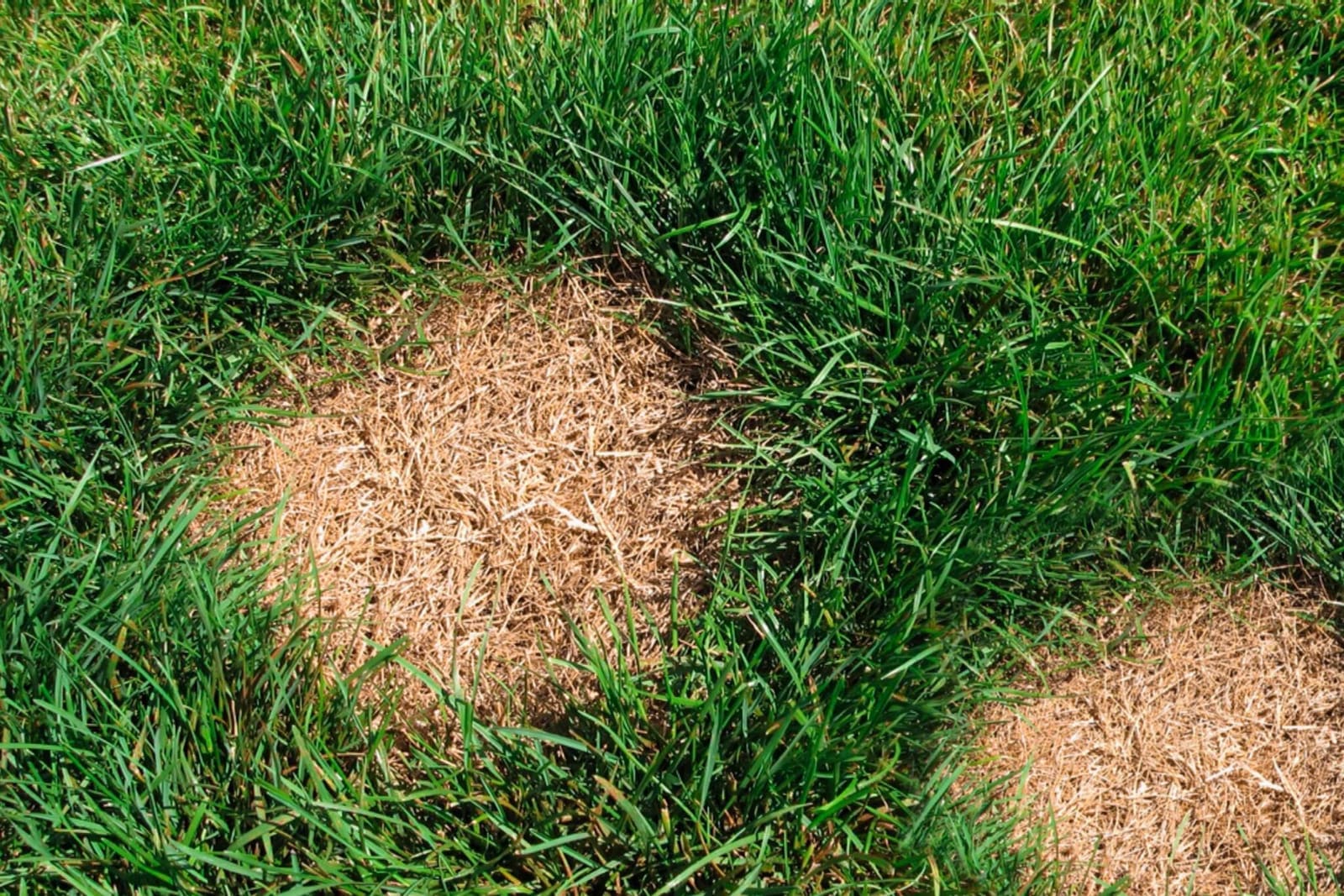
By September, Alabama’s most intense summer heat may be starting to ease, but commercial turf can suddenly look worse instead of better. Thin areas become more noticeable, sections of grass lose color, and certain parts of the property may struggle to recover even as temperatures begin to moderate.
The problem is not always what is happening in September. Often, it is the result of stress that has been building beneath the surface all summer.
For property managers, September is an important diagnostic month. Identifying commercial lawn problems in Alabama now can help determine whether turf needs corrective attention before it begins transitioning toward dormancy.
Why Does Commercial Turf Struggle in September?
Commercial lawns endure conditions residential lawns often do not. Repeated mower traffic, pedestrians, maintenance vehicles, summer heat, heavy rainfall, and irrigation cycles can gradually compact the soil.
Compacted soil reduces the space available for air and water to move through the root zone. Turf may remain green for a while, but its roots can become increasingly stressed.
By late summer, symptoms can include:
- Thin turf along sidewalks and high-traffic areas
- Water pooling after irrigation or rainfall
- Hard, dry soil despite regular watering
- Increased weed pressure
- Turf that does not recover as quickly after mowing or heat
These symptoms can easily be mistaken for an irrigation or fertilization problem.
Could More Water Actually Make the Problem Worse?
Yes. This is one of the most important distinctions property managers should understand.
When soil is compacted, adding more irrigation does not necessarily move more water to the roots. Water may run across the surface, collect in low areas, or remain near the top of the soil instead of penetrating deeply.
Increasing irrigation without identifying the underlying problem can waste water and potentially create additional turf or drainage issues.
That is why ALM evaluates the entire growing environment, not simply the appearance of the grass.
Why September Is a Valuable Time to Evaluate Soil Compaction
September offers an opportunity to see where turf struggled during the most demanding part of the Alabama growing season.
Areas that consistently underperformed throughout summer can point to underlying conditions such as compaction, poor drainage, excessive traffic, inadequate soil depth, or inconsistent irrigation coverage.
Addressing those conditions is different from simply treating brown grass.
Pay Attention to High-Traffic Zones
Some of the first areas to show compaction are:
- Building entrances
- Mail and package areas
- Amenity spaces
- Sidewalk edges
- Loading areas
- Informal pedestrian shortcuts
If the same turf areas repeatedly decline, the problem may be related to how the property is being used rather than routine maintenance.
What Should Property Managers Do Before Fall?
September is a good time to conduct a broader turf assessment and determine which areas need attention.
Depending on the turf type and property conditions, recommendations may include soil testing, aeration at an appropriate time, drainage corrections, irrigation adjustments, traffic management, or targeted turf repair.
The goal is not simply to make the lawn greener for a few weeks. It is to identify what prevented healthy growth in the first place.
Turn September Turf Problems Into Useful Information
A struggling lawn can tell you a great deal about a commercial property.
Where water collects, where turf repeatedly thins, and where weeds appear can reveal problems that are easy to overlook during periods of rapid summer growth.
At ALM Commercial Landscaping, we use those observations to help Alabama property managers make more informed landscape decisions. September is an opportunity to evaluate what worked, identify what did not, and begin preparing the property for healthier performance in the seasons ahead.
Contact ALM Commercial Landscaping to schedule a commercial landscape evaluation and identify turf concerns before they become recurring problems.
Frequently Asked Questions
Why is my commercial lawn thinning in September?
Late-summer thinning may be related to accumulated heat stress, soil compaction, traffic, drainage issues, pest pressure, or inconsistent irrigation.
How can I tell if commercial turf has compacted soil?
Common signs include hard soil, standing water, poor infiltration, thinning turf, and recurring problems in heavily traveled areas.
Will watering more fix compacted turf?
Usually not. Compacted soil can prevent water from reaching roots effectively, so the underlying soil condition should be evaluated first.
Why evaluate turf before fall?
September conditions can reveal areas that struggled during summer, giving property managers time to plan corrective work and future landscape improvements.