If your commercial lawn looked perfectly healthy last week but suddenly has brown patches spreading across the turf, armyworms may be to blame.
Late July through September marks peak armyworm season across Alabama, making August one of the most important months for commercial property managers to closely monitor turf conditions. These destructive caterpillars can consume large sections of healthy grass almost overnight, leaving behind extensive damage that is both expensive and time-consuming to repair.
At ALM Commercial Landscaping, late summer is when our crews begin closely monitoring properties for the earliest signs of armyworm activity. Early detection is the difference between treating a small area and replacing large sections of turf.
What Are Armyworms?
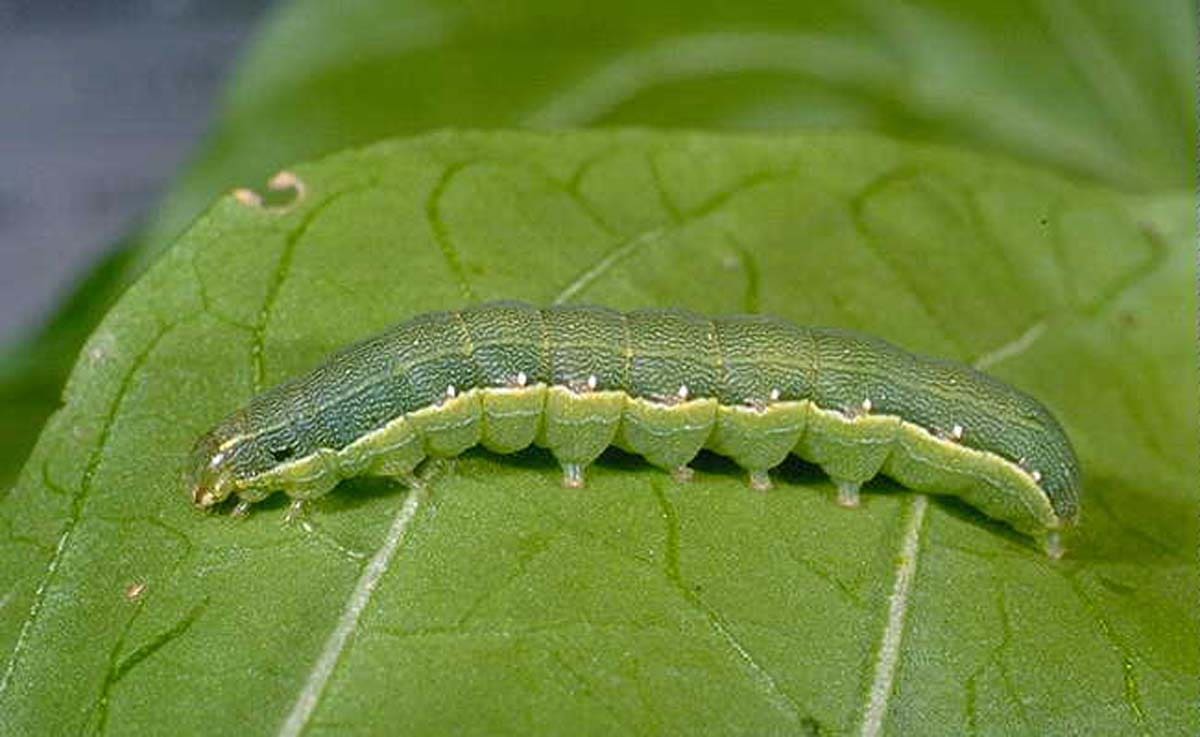
Armyworms are the larval stage of several moth species, with the Fall Armyworm being the most common culprit throughout Alabama.
Unlike many lawn insects that feed slowly over several weeks, armyworms travel in groups, or “armies,” moving across a property and consuming grass blades as they go.
Because they feed aggressively, property managers often notice significant turf damage before they ever see the insects themselves.
Why August Is Peak Armyworm Season in Alabama
Warm temperatures, humid evenings, and frequent afternoon rainfall create ideal conditions for armyworm populations to explode.
Adult moths lay hundreds of eggs in turfgrass, often after periods of rain followed by warm weather. Within days, newly hatched larvae begin feeding on grass blades.
Commercial properties are particularly vulnerable because large expanses of turf provide abundant food sources.
Properties most at risk include:
- Office parks
- Industrial campuses
- Apartment communities
- Healthcare facilities
- Municipal properties
- Athletic fields
What Armyworm Damage Looks Like
One reason armyworms are so destructive is because the damage often resembles drought stress.
Look for:
Brown patches that appear almost overnight
Unlike drought damage that develops gradually, armyworm injury can spread rapidly over several days.
Grass blades with ragged edges
Armyworms chew leaves instead of cutting them cleanly.
Increased bird activity
Birds often feed on armyworms before property managers notice turf damage.
Visible caterpillars early in the morning
Armyworms typically feed during cooler parts of the day and hide in thatch during peak afternoon temperatures.
Why Fast Action Matters
Armyworms rarely kill established turf permanently, but severe feeding weakens root systems and leaves lawns vulnerable to:
- Weed invasion
- Disease
- Heat stress
- Soil erosion
- Extended recovery periods
Waiting even a few extra days can dramatically increase repair costs.
How ALM Monitors Commercial Properties
Rather than waiting for visible damage, ALM crews routinely inspect commercial properties throughout August.
Our monitoring includes:
Routine turf inspections
Regular walkthroughs help identify early feeding before widespread damage occurs.
Pest identification
Not every brown patch is caused by insects. Proper diagnosis prevents unnecessary treatments.
Targeted treatment
When armyworms are identified, treatment is focused only where needed to minimize disruption while protecting surrounding turf.
Recovery planning
Following treatment, our crews adjust mowing, irrigation, and fertilization practices to help damaged turf recover more quickly.
Preparing for September Recovery
August is also the month to begin planning for fall turf recovery.
Addressing pest issues now allows lawns to recover before cooler temperatures arrive, reducing the likelihood of needing costly renovations later in the year.
Healthy turf entering fall is better prepared for overseeding, fertilization, and seasonal maintenance.
Don’t Let Armyworms Take Over
Armyworms are one of Alabama’s most destructive late-summer turf pests, but they don’t have to become a major problem.
Routine inspections, early detection, and professional treatment can protect your commercial landscape before damage spreads across your property.
ALM Commercial Landscaping provides proactive turf monitoring, integrated pest management, and comprehensive commercial landscape maintenance designed specifically for Alabama properties.
Contact ALM today to schedule a landscape inspection before late-summer pests become costly repairs.
Frequently Asked Questions
How quickly do armyworms damage a lawn?
Armyworms can damage large areas of turf within two to three days under ideal conditions.
What grasses do armyworms attack?
They commonly feed on bermudagrass, zoysiagrass, fescue, and other turf species found throughout Alabama.
Can healthy turf recover?
Yes. If treated early, most established turf can recover without replacement.
When is armyworm season in Alabama?
Late July through September, with August typically being the busiest month.